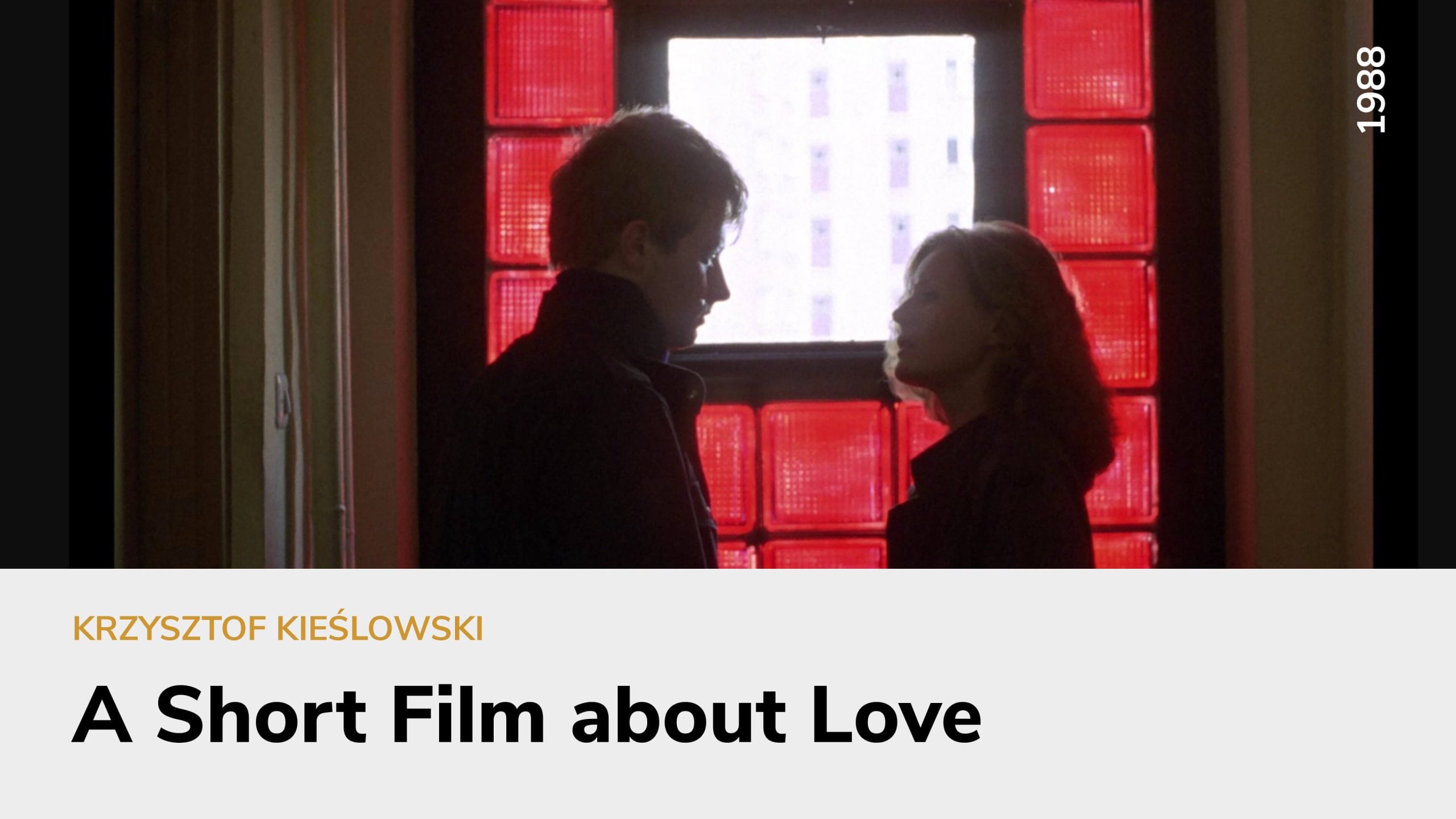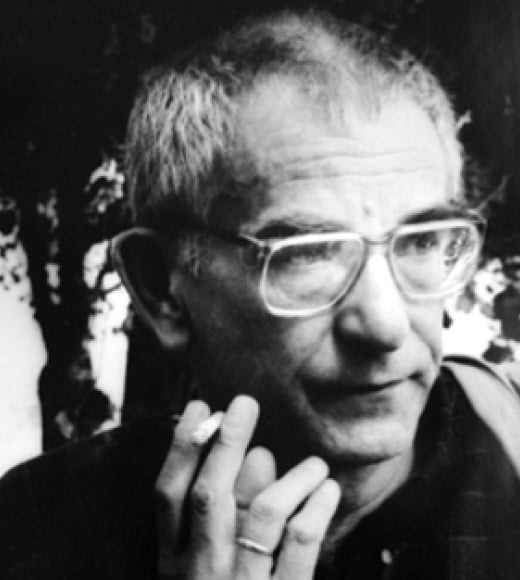
Krzysztof Kieślowski (1941-1996) was a Polish director and screenwriter and one of the most celebrated filmmakers of the seventies and eighties. Born in Warsaw during the Second World War, Kieślowski twice applied without success to the famous film academy in Łódź, finally gaining entry in 1964. He initially planned to make a career in non-fiction, and from 1968 until 1980 he made more than 20 documentary shorts, TV films, and features, many of which focus on the quotidian existence of workers across Poland. Having decided that non-fiction film was a dead end due to Party censorship, he turned to fiction filmmaking in the mid-seventies, becoming part of the so-called “cinema of moral anxiety” movement alongside the likes of Agnieszka Holland and Krzysztof Zanussi with films such as Personnel (1975), Camera-BuffBlind Chance (1981). While working on No End (1985), he met lawyer Krzysztof Piesiewicz, with whom he would go on to write his masterpiece Dekalog: a ten-part series of films made for German television between 1987-88 loosely based on the Ten Commandments; episodes retitled A Short Film about Killing and A Short Film about Love were later released as feature-length standalone films. After the fall of communism, he made his final features in France: The Double Life of Véronique (1991) and the Three Colours Trilogy, released as Red, White, and Blue across 1993-94. He immediately announced his retirement from filmmaking and died two years later following a heart attack.