The Watchlist is Klassiki’s series of themed viewing recommendations drawing from the cinema of Eastern Europe, the Caucasus, and Central Asia. In this edition, we select five essential titles to introduce you to Poland’s premier pessimist, one of the towering figures of seventies and eighties film.
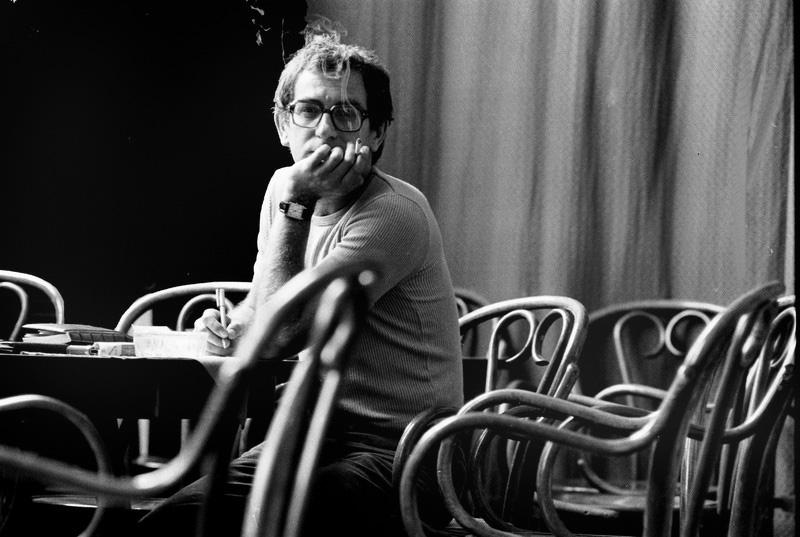
Krzysztof Kieślowski
Krzysztof Kieślowski once described himself as possessing “just one good characteristic: I am a pessimist. I always imagine the worst. To me, the future is a black hole.” For many, Kieślowski remains something of a caricature, the archetype Eastern European arthouse auteur: a miserablist filmmaker of deep moral severity whose works play out in grimy tower blocks and abandoned railway stations. Despite this reputation, and the tragedy that Kieślowski died at the age of just 54, he left behind a hugely varied oeuvre that encompasses works made for television and cinema, shorts and features, documentaries and fiction. Despite the pressures put on him and his cohort by the authorities, Kieślowski managed to produce a vital body of work in the seventies and eighties that documented the social decay of late communism, including the epochal ten-part compendium Dekalog – and he had time to turn in a handful of masterpieces in France in the post-communist nineties as well. Here are five features to introduce you to the bleakly brilliant career of the Polish master.
Workers ‘71: Nothing About Us Without Us (1971)
Kieślowski twice applied without success to the famous film academy in Łódź – alma mater for the post-war Polish Film School movement and its luminaries, including the likes of Roman Polanski and Andrzej Wajda – finally gaining entry in 1964. He initially planned to make a career in non-fiction, and from 1968 until 1980 he more than 20 documentary shorts, TV films, and features. These early films, which focus on the quotidian existence of workers across Poland, are all worthy of exploration; some, like 1977’s From the Night Porter’s Point of View, consist of direct interviews with ordinary proletarians, while others, like Talking Heads (1980) adopt a more experimental, sociological bent. Perhaps the most important film of this early period, however, is Workers ’71, a TV film co-directed by Kieślowski, Tomasz Zygadło, Wojciech Wiszniewski, Paweł Kędzierski, and Tadeusz Walendowski. The film attempts to understand the mentality of the Polish working classes in the aftermath of the mass strikes that had rocked the country in 1970 by interviewing workers at the Gdańsk Shipyard – future birthplace of the Solidarity movement that would help to end communism in Poland. (This makes the film an uncanny test run for Wajda’s own account of the Shipyard in uproar in his 1980 Palme d’Or winner Man of Iron.) The censorship that the film was subjected to before release helped to convince Kieślowski to abandon documentary for fiction – as he saw it, a more refined medium for truth-telling in an authoritarian state.
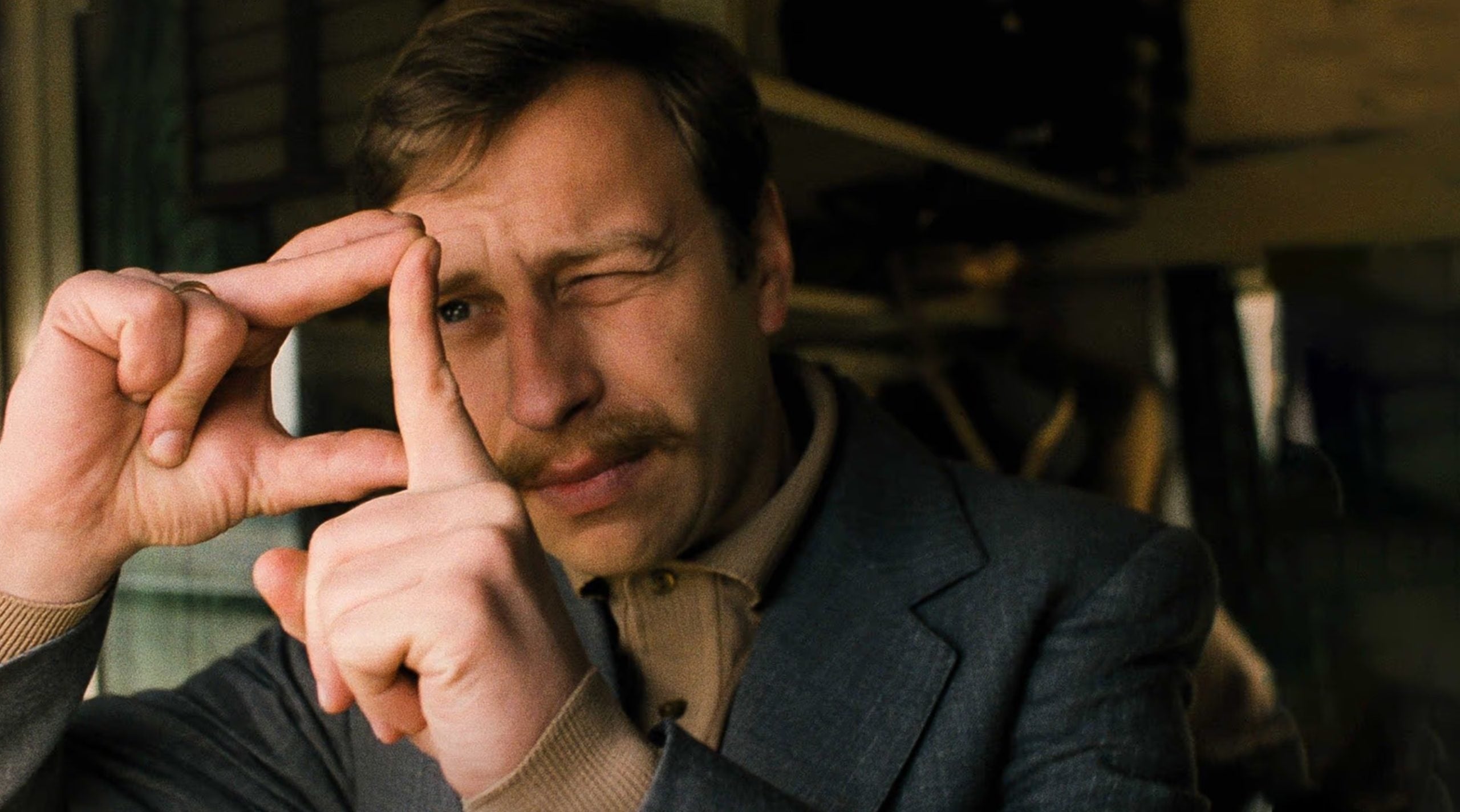
Jerzy Stuhr in Camera Buff (dir. Krzysztof Kieślowski, 1979)
Camera Buff (1979)
The second half of the 1970s had seen the rise of a loose grouping of critical voices later dubbed the “cinema of moral anxiety” – a staging ground for the early works of major figures including Kieślowski, Agnieszka Holland, and Krzysztof Zanussi. These films had explored discontent in a minor key, using provincial settings and unremarkable protagonists as a means to dig under the skin of communist society. Kieślowski’s first fiction features, from Personnel (1975) through to No End (1985), fall into this bracket. Camera Buff is one of his most succinctly biting satires. The film stars (and was co-written by) Kieślowski’s go-to actor from the period, Jerzy Stuhr, as Filip, a factory clerk whose life is turned on its head when he acquires an 8mm camera. His growing obsession with documenting his life sours his relationships at home and at work and allow Kieślowski to indulge in a rare meta-cinematic play on the process of filmmaking: when Filip wins third prize in an amateur film competition, Krzysztof Zanussi appears in cameo as himself. Camera Buff is a film of dry wit but one with much to say about the censorship that Kieślowski and co faced in the period.
No End (1985)
The economic decline that helped to fuel the cinema of moral anxiety only worsened into the eighties, with rationing, shortages, and power outages prompting ever greater disillusionment with the authorities – most famously in the August 1980 strike at the Gdańsk shipyards that announced the birth of Solidarity. Facing growing discontent, newly installed First Secretary Wojciech Jaruzelski imposed martial law on 13 December 1981, drawing the battle lines for the decade to come. Kieślowski’s 1981 film Blind Chance was banned until 1987; four years later, he somehow managed to get No End past the censors despite their displeasure. The film is a meditation on the aftershock of martial law, which saw the banning of trade unions in Poland. Its striking opening – in which a lawyer for Solidarity (Jerzy Radziwiłowicz) announces to camera that he dies three days ago – sets the disturbing, depressive tone. Kieślowski claimed he’d never experienced such “unpleasantness” from the authorities over any of his films: “We really got a thrashing over it. Only one element didn’t give us a thrashing, and that was the audience… never in my life have I received as many letters or phone calls about a film from people I didn’t know.” The film was also crucial for introducing the director to two collaborators who would go on to shape his work: the lawyer Krzysztof Piesiewicz, who advised Kieślowski on political trials under martial law and would go on to co-author all his remaining films; and the composer Zbigniew Preisner, whose stirring scores helped to lift the Three Colours Trilogy a decade later.
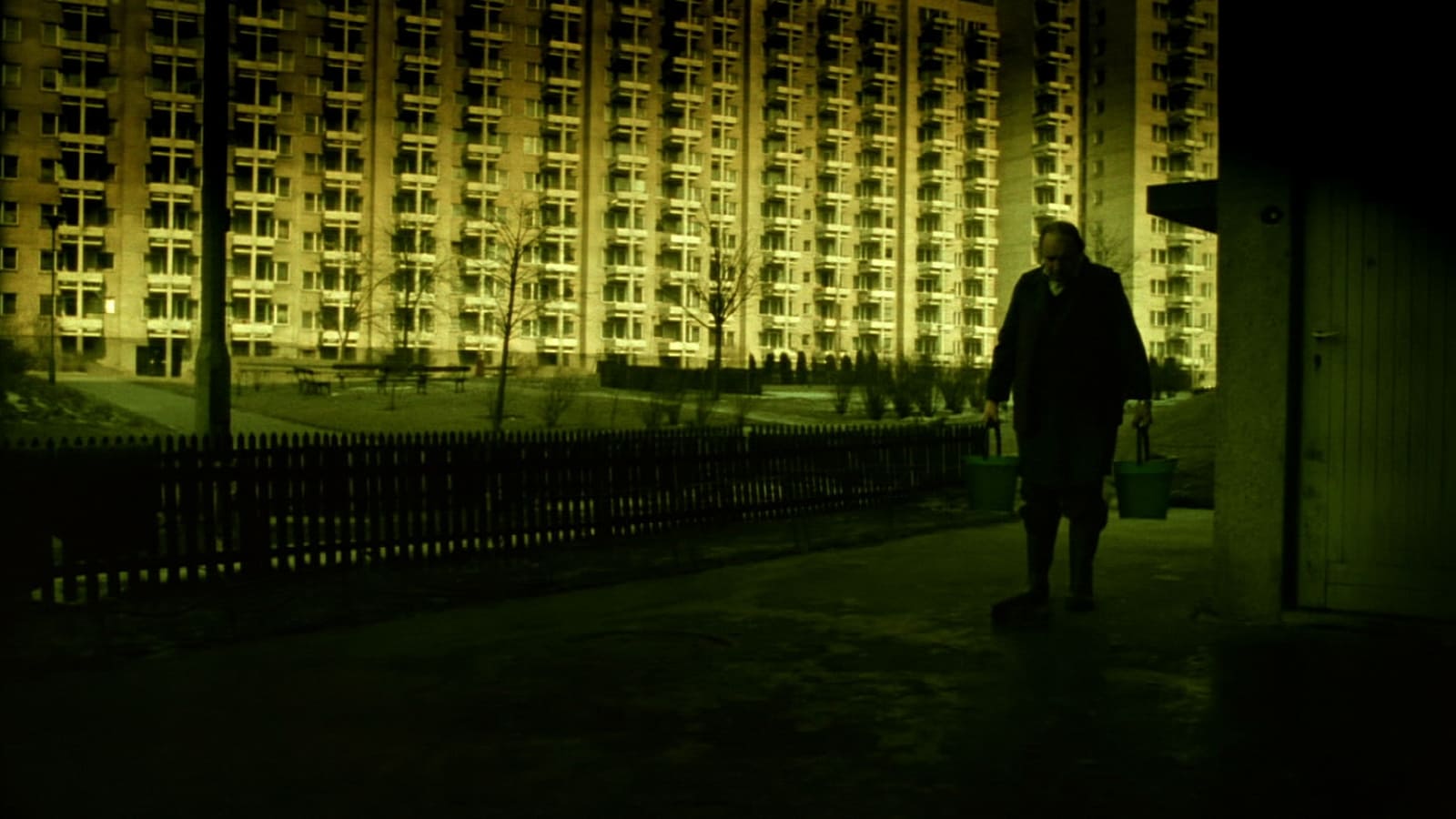
Dekalog (dir. Krzysztof Kieślowski, 1988)
Dekalog (1988)
It hardly seems fair to award Dekalog a single spot here: one could just as easily compile a watchlist dedicated solely to individual episodes of this remarkable epic of the everyday, of which two instalments – A Short Film about Killing and A Short Film about Love – were released individually in extended versions. The director embarked on the project with Piesiewicz after the frustrations surrounding Blind Chance and No End convinced him to abandon overtly “political” filmmaking for more abstract, universal themes. Made for Polish television but funded by West German investors and conceived in the atmosphere of (strictly comparative) licentiousness in the late eighties, Dekalog is Kieślowski’s contemporary spin on the Ten Commandments. Consisting of ten hour-long episodes, each of which is set in the same dilapidated Warsaw tower block with an overlapping ensemble cast, Dekalog probes the ethical dilemmas of late socialism, locating both the local and the universal relevance of the scripture. The result is one of the pillars of Polish film history, a melancholy triumph at the end of a dispiriting decade that capped Kieślowski’s career in his homeland. The ten episodes had originally been intended for ten different directors, but Kieślowski found himself unable to relinquish control over the project, even as the exhaustion of producing twelve features in a year threatened his health. No less a figure than Stanley Kubrick considered the series a masterpiece, once claiming that Kieślowski and Piesiewicz “have the very rare ability to dramatise their ideas rather than just talking about them. They do this with such dazzling skill, you never see the ideas coming, and don’t realise until later how profoundly they have reached your heart.”
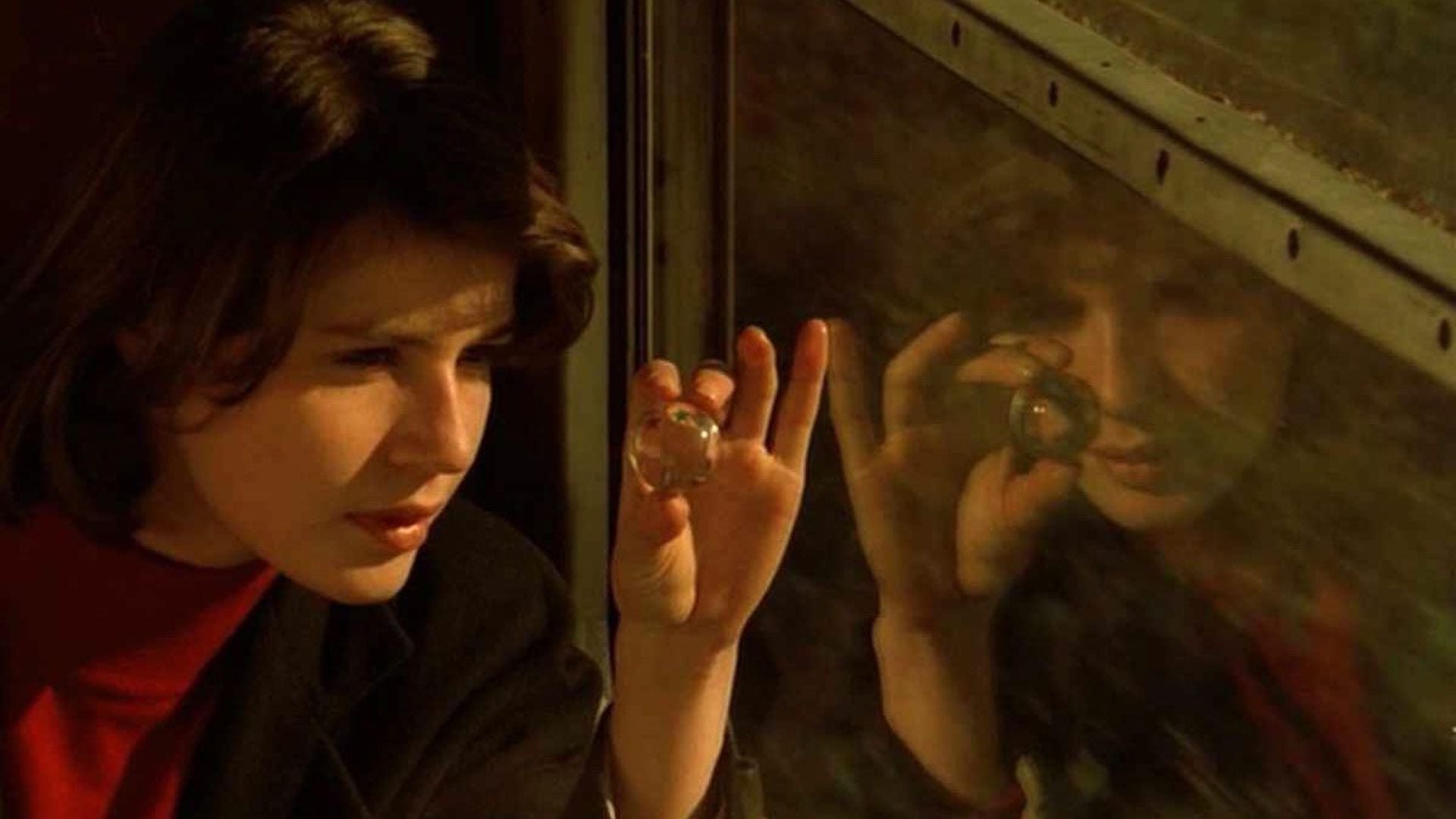
Irène Jacob in The Double Life of Véronique (dir. Krzysztof Kieślowski, 1991)
The Double Life of Véronique (1991)
After the fall of communism, Kieślowski planned to remain making films in his newly liberated homeland. But the collapse of the domestic industry following the withdrawal of state support convinced him that to do so would be unethical: a filmmaker of his international renown could just as easily find funding abroad as at home, where the meagre funds available should go to needier artists. As a result, his final features – The Double Life of Véronique (1991) and the Three Colours Trilogy, released as Red, White, and Blue across 1993-94 – were made for western producers and largely performed in French. Three Colours is easily Kieślowski’s best-known work outside of Poland; since those films hardly need introduction, we’ll spare the final slot on this watchlist for Kieślowski’s first French feature. The film stars Irène Jacob as both Weronika and Véronique, a Polish chorist and a French music teacher bound by an ethereal, even spiritual connection across time and space. As Kieślowski left communism and Poland behind, so he abandoned the bleakness of his earlier work; where in Dekalog, cinematographer Sławomir Idziak had worked wonders with a muddy palette of green and grey, here he luxuriates in Baroque reds and golds. The critical response when it premiered at Cannes was ecstatic. The director told interviewer Danusia Stok at the time that the film “deals with things you can’t name. If you do, they seem trivial and stupid.” At the close of his career, Kieślowski found the wisdom, even the metaphysics, behind apparent simplicity.
Explore our collection of Polish titles here.


 Go back to journal home page