The Watchlist is Klassiki’s series of themed viewing recommendations drawing from the cinema of Eastern Europe, the Caucasus, and Central Asia. In this edition, Heleen Gerritsen introduces some of the hidden gems and favourite filmmakers that she has discovered during her time as the director of the goEast Festival of Central and Eastern European Film.
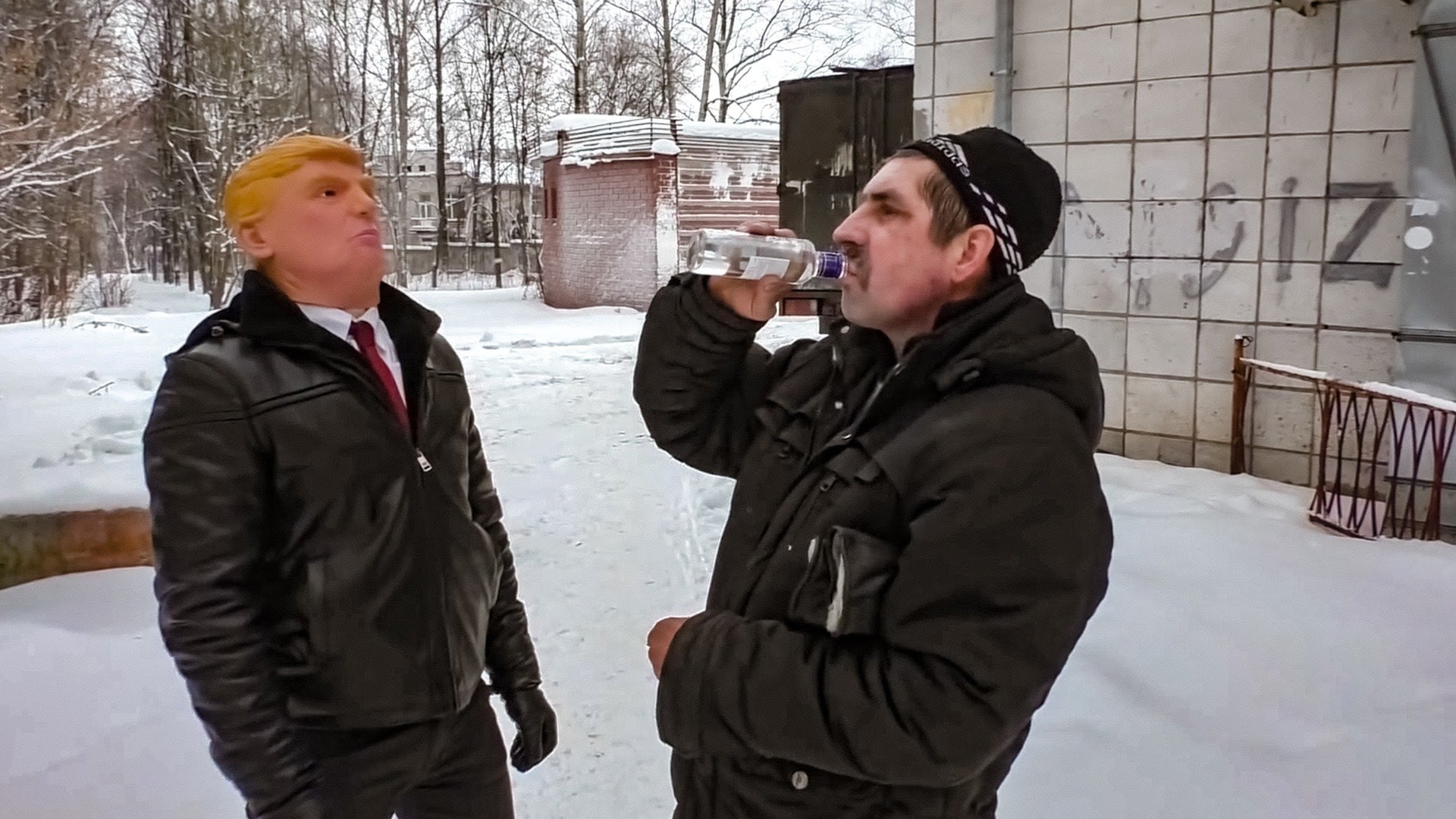
Our New President (dir. Maxim Pozdorovkin, 2018)
Over the coming month, Klassiki is running our third annual partnership with the goEast Festival of Central and Eastern European Film. Outgoing director Heleen Gerritsen, who is stepping down after eight years at the helm of the festival, recently joined host Sam Goff on the Klassiki Podcast to look ahead to that partnership and to reflect on the shifting world of cinema from the region.
During that discussion, Heleen ran us through four of her favourite filmmakers and four of her most treasured discoveries from her time at the forefront of Eastern European film curation, which we’ve compiled and transcribed below. You can listen to the full conversation on the podcast here. Make sure to explore our partnership with goEast, running on Klassiki from 24 April – 22 May.
Sándor Reisenbüchler
It’s fantastic to see films on the big screen that I’ve loved for many years but only seen online. For instance, one of the underrated film art forms is animation. Being able to do a programme about Hungarian and Estonian animation from the seventies was fantastic. It’s challenging for audiences, but I love Sándor Reisenbüchler. I think his work is very touching but challenging on the big screen, especially when you have the shorts one after another. Our selection was called ‘Space Age Animation’.
Watch Sándor Reisenbüchler’s The Kidnapping of the Sun and Moon on Klassiki now.
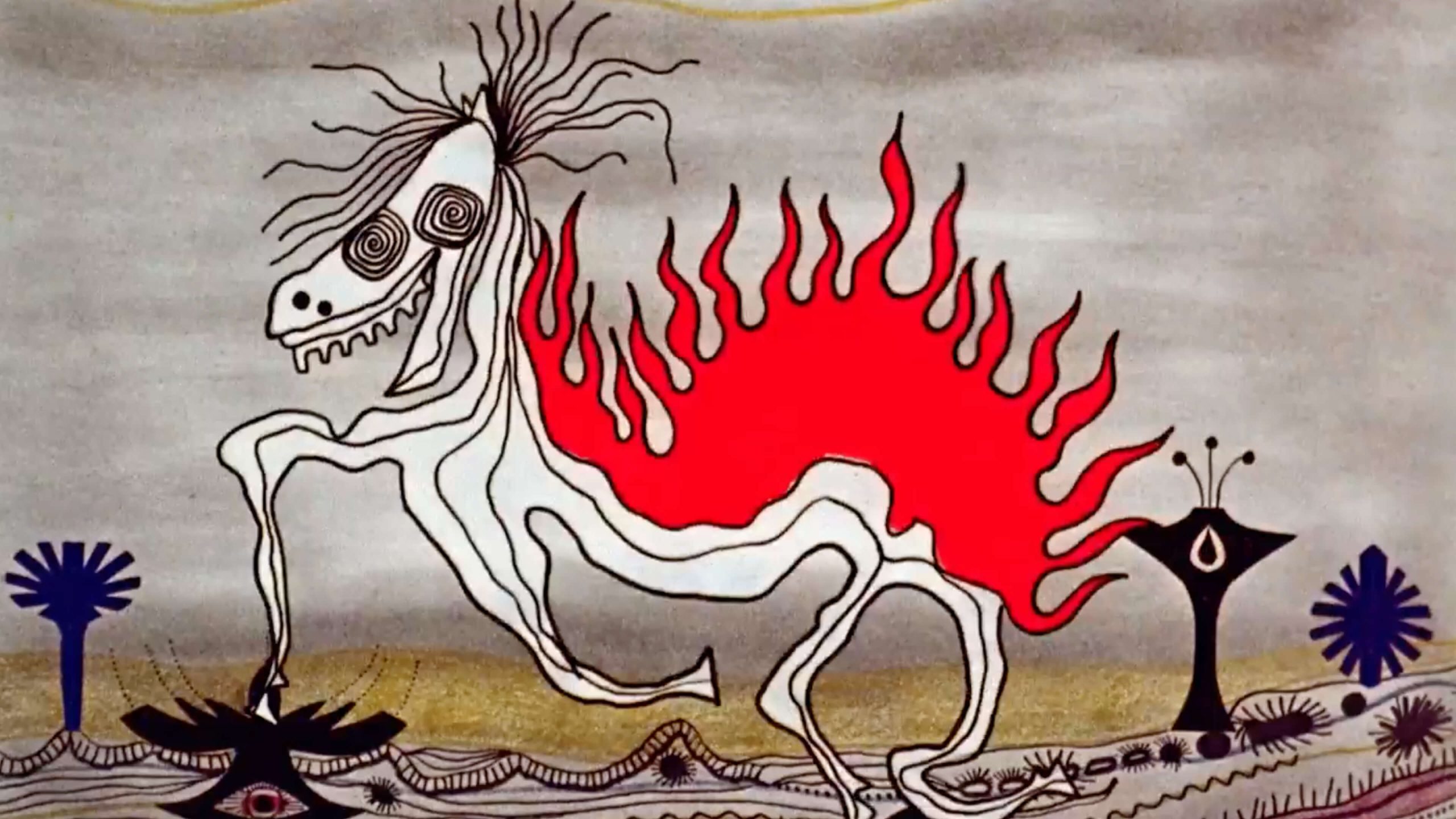
The Kidnapping of the Sun and Moon (dir. Sándor Reisenbüchler, 1968)
Lana Gogoberidze and Márta Mészáros
Sometimes we rediscover films that then go on a journey, making their way into the world. I was very pleased to see this happen with the retrospective for Lana Gogoberidze. She’s such a fantastic personality, having her at the festival was extremely inspiring. What’s really great is having these female filmmakers at the festival with these extensive filmographies. In German cinema that’s pretty rare. There are some, but not in comparison to [figures like] Gogoberidze. Or Márta Mészáros: we did the first retrospective for her, and then afterwards she got the Honorary Bear at the Berlinale. Because we’re small we also have the freedom to test things out [like this]. It’s wonderful, it’s such a luxury.
Watch Lana Gogoberidze’s Some Interviews on Personal Matters and Márta Mészáros’s Diary for My Father and Mother on Klassiki now.
Radu Jude
One thing that I really enjoyed a lot and that resulted in a friendship was the retrospective we did for Radu Jude in 2020, during Covid. The first time I really met him was during our Q&A that we did via Zoom. It was a nice chat for an hour, and the conversation has continued until this day. Radu is a really generous person; he tends to recommend a lot of things, he sends you books and films. It’s a really productive friendship.
Explore our extensive collection of titles by Radu Jude here.

Plastic Semiotic (dir. Radu Jude, 2021)
Palms (dir. Artur Aristakisyan, 1994)
One film that I’d already seen but forgotten about [before we screened it] was Palms (1994) by Artur Aristakisyan. This period of filmmaking in the former Soviet Union is very interesting anyway, the end of the eighties and the beginning of the nineties. Palms is a gritty film poem shot on 16mm in Chisinau, Moldova. It’s such a beautiful but also hard film. We have lots of audience members who are students who aren’t familiar with Soviet or post-Soviet film, and for them there’s really a lot to discover. In terms of film, Moldova is kind of up-and-coming. The new government took some measures to put more money into filmmaking. There are some young filmmakers working now, mostly documentaries around the MolDocs festival, it’s quite interesting what’s going on now.
Orange Vests (dir. Yury Khashevatsky, 1993)
There are two periods I really like: the late seventies, and the nineties. The nineties were such an important time. They’re referred to as the “wild nineties” in the post-Soviet sphere, but they were also connected with a lot of artistic freedom and being able to say what you’d wanted to for a long time. A lot of these films have an energy and sometimes an aggression, even a sheer madness. One film that we screened twice in two different editions of goEast is Orange Vests (1993). It’s a documentary and more or less a collective work by Studio Tatiana from Minsk. Officially it was made by Yury Khashevatsky. I think he mentored the women’s collective [who produced the film]. It was made as a letter to the German feminist filmmaker Helke Sander. It was filmed all over the Soviet Union during the last days [of the USSR]. All the topics that we see now that are going wrong, not just in that part of the world but also over here – militarisation, environmental aspects, the treatment of women and especially the horrors of childbirth and the exploitation of mothers – are shown from a feminist perspective. To me, this is a crucial work dealing with the fall of the Soviet Union. I think it’s still very relevant and powerful today.
Listen to our podcast interview with director Mara Tamkovich about the crisis in Belarusian film here.
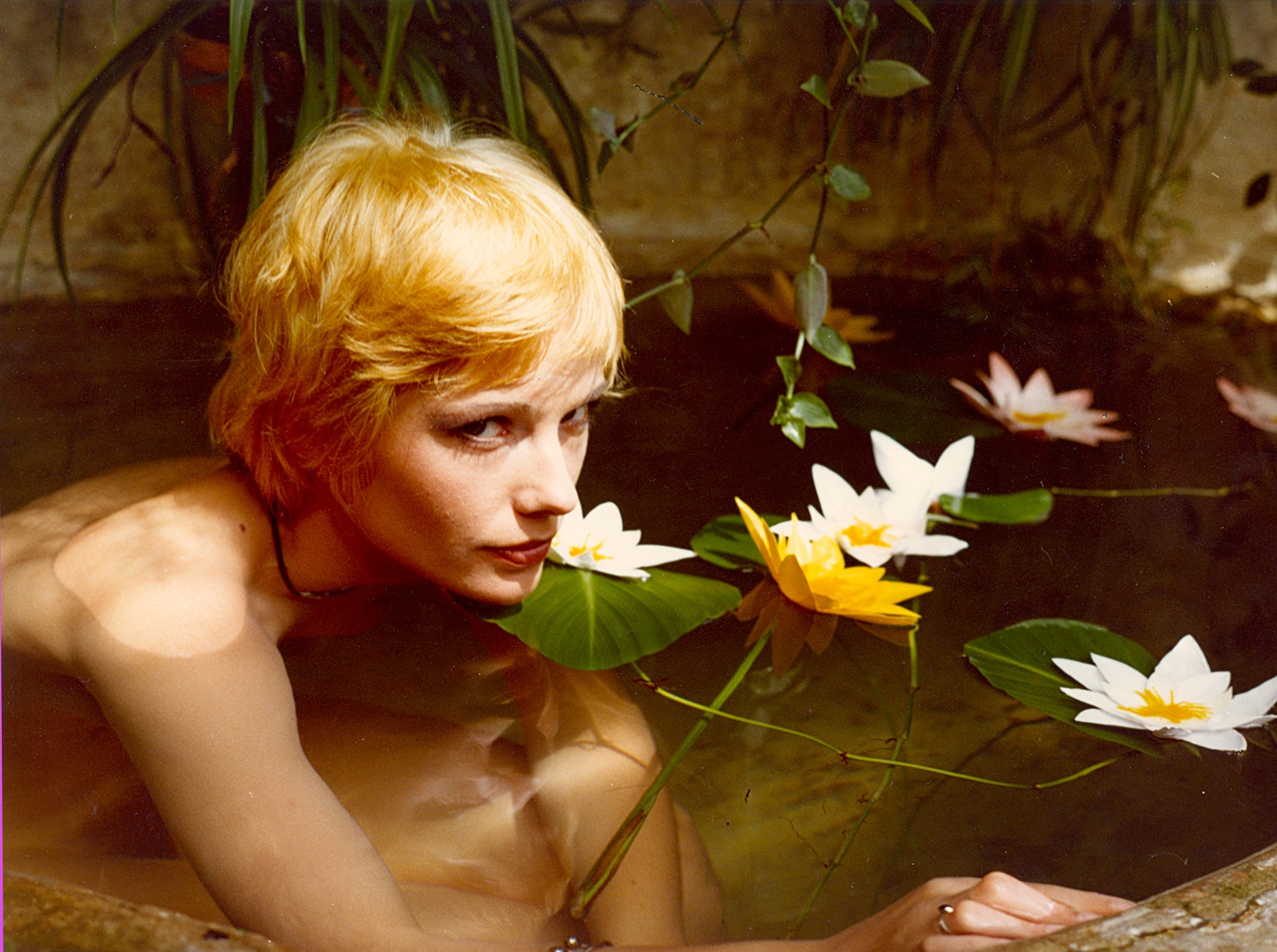
Kill Me Gently (dir. Boštjan Hladnik, 1979)
Kill Me Gently (dir. Boštjan Hladnik, 1979)
It’s not in poor taste but this is a very campy film which I really like. We’re going to screen it this year as part of our anniversary programme. It has a lot of nudity, a lot of erotic scenes; it’s quite crazy but in a beautiful setting. It’s a lot of fun to watch and it gives you a lot to think about. The main character is an older woman who behaves in a very unexpected, eccentric way – she’s very self-assured in her sexuality. The soundtrack is fantastic. It’s kind of bizarre to think that in 1979 this film was touring Yugoslavia. If you imagine any other country in the former socialist bloc, it wouldn’t have happened.
Explore our collection of Yugoslav Black Wave titles here.
Our New President (dir. Maxim Pozdorovkin, 2018)
This is a film that we had in competition in my first year, in 2018. I like compilation films, films that used archival footage. This is a really wild example. It was made by Maksim Pozdorovkin as a US-Russia co-production. It looks at presidential elections, especially the campaign between Hillary Clinton and Donald Trump, but from a Russian perspective. It’s an insanely wild film. It starts with Clinton’s visit to [Russian provincial city] Barnaul, where there was an archaeological expedition at the time. The narrative arc that he creates is though this archaeological find: they believe it to be a warrior princess, and according to local beliefs in the Altai, if you unearth her body and look upon it, you will be cursed. Then Hillary Clinton shows signs of sickness – you might remember the news cycle from back then… Then in the end, it turns out to be the mummy of someone completely different, not the warrior princess after all. In the current circumstances, this film hasn’t lost its relevance.
Klassiki’s partnership with goEast Film Festival runs from 24 April – 22 May.


 Go back to journal home page