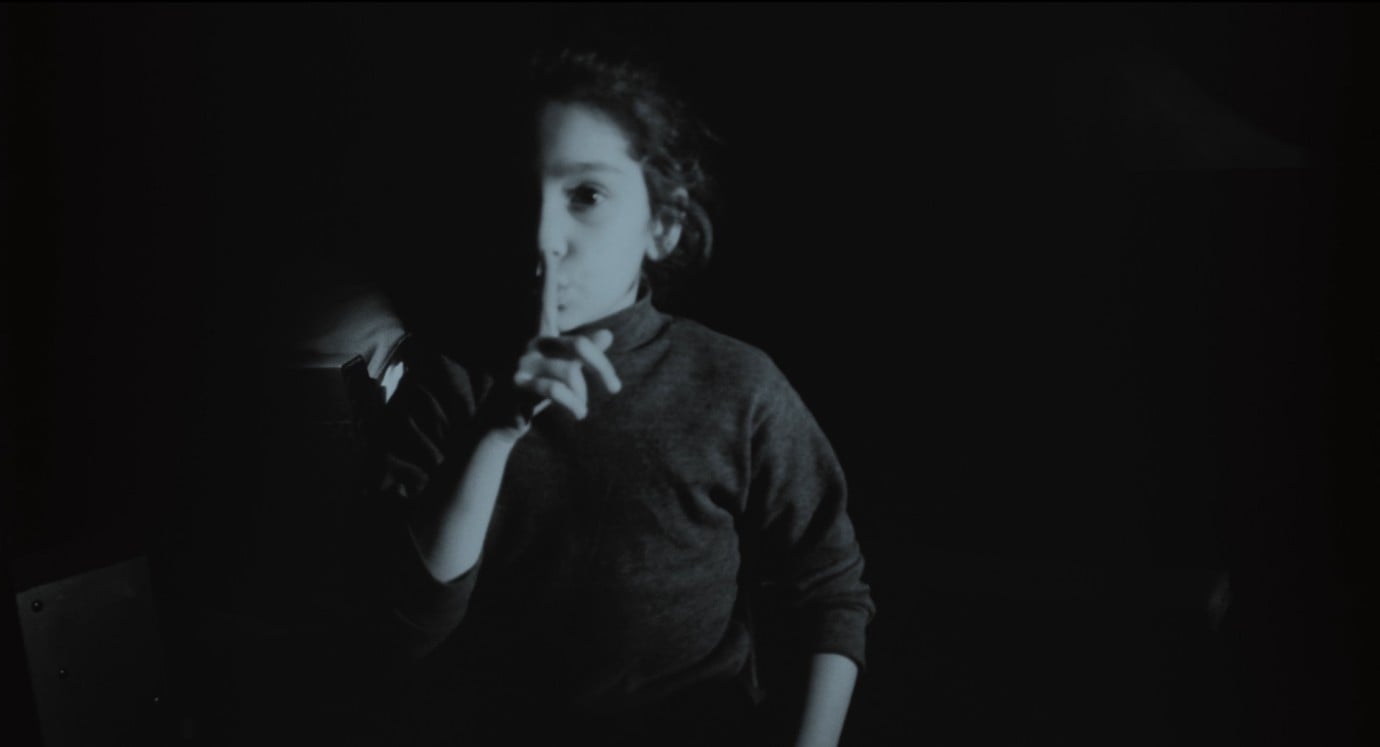
My Armenian Phantoms (dir. Tamara Stepanyan, 2025)
When Armenian filmmaker Tamara Stepanyan was searching for a way to honour the memory of her late father, renowned actor Vigen Stepanyan, she turned to the past, and to film: to home movies, her father’s screen appearances, and the treasure trove of Armenian films that she had fallen in love with as a child. In her latest feature documentary My Armenian Phantoms, Stepanyan carefully weaves together these historical threads – of film, family, and nation – into a poetic, essayistic account of a life lived through images. Running from the Armenian Genocide of 1915-16 through to the fall of communism, and through several generations of Stepanyan family lore, the director combines archival footage, a rich catalogue of film clips, and atmospheric present-day sequences to relate the triumphs and tragedies of a national cinema: from the pioneering silent works of “the father of Armenian film”, Hamo Bek-Nazaryan, to the New Wave stylings of Frunze Dovlatyan and the iconic work of Sergei Parajanov.
My Armenian Phantoms will be receiving its UK premiere at the Institute of Contemporary Arts in London on 5 December as part of the 2025 edition of the Armenian Film Festival. Ahead of the festival, Stepanyan spoke to us from her home in Paris about piecing together her visual journey through the past, her takes on the greats of Armenian cinema, and the way that the moving image speaks across generational divides.
Subscribers can explore a curated playlist inspired by My Armenian Phantoms’ journey through the nation’s film history here.
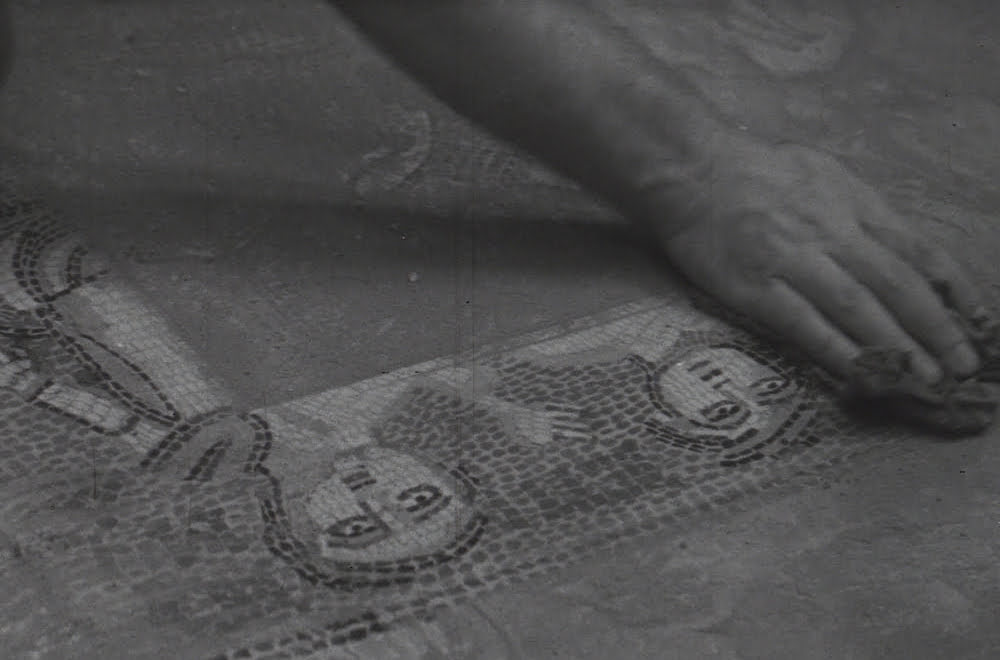
My Armenian Phantoms (dir. Tamara Stepanyan, 2025)
When you’re putting together this kind of essay or survey film, the immediate question is which films to include. Were there any principles you applied in making that selection? Did it come organically?
When I started watching the films, I had more of a chapter-based format in my head: a chapter on women, a chapter on censorship, on the father-daughter relationship… But very fast, I realised that I don’t care about chapters, and I wanted to weave together these stories like a carpet. The system I had at the time was that I would watch the films, take notes, and then let myself be inspired. It’s the kind of film that you can make in a hundred ways. Out of 200 films, I used maybe 50. I really heard my inner voice tell me [what to use]. I used to watch these films when I was a kid, and I was searching for that same emotion. Intellectually speaking, of course, it’s very different to watch them as a 40-year-old; but emotionally, I could relate to the films, feel pain or joy, shiver – and I was looking for those sensations. I knew that if I chose a film, it was because I felt deeply connected to it, but also that it had a message that I wanted to include. I guess what’s left is a selection of my favourite films; then you have to choose the sequences. There were several films that I couldn’t use no matter how much I love them. The emotion and the intellect are in dialogue together.
Was there one particular film that you were most upset at having to leave out?
Chronicles of Yerevan Days (1972) by Frunze Dovlatyan. I still fantasise about including it, but it just didn’t have its place.
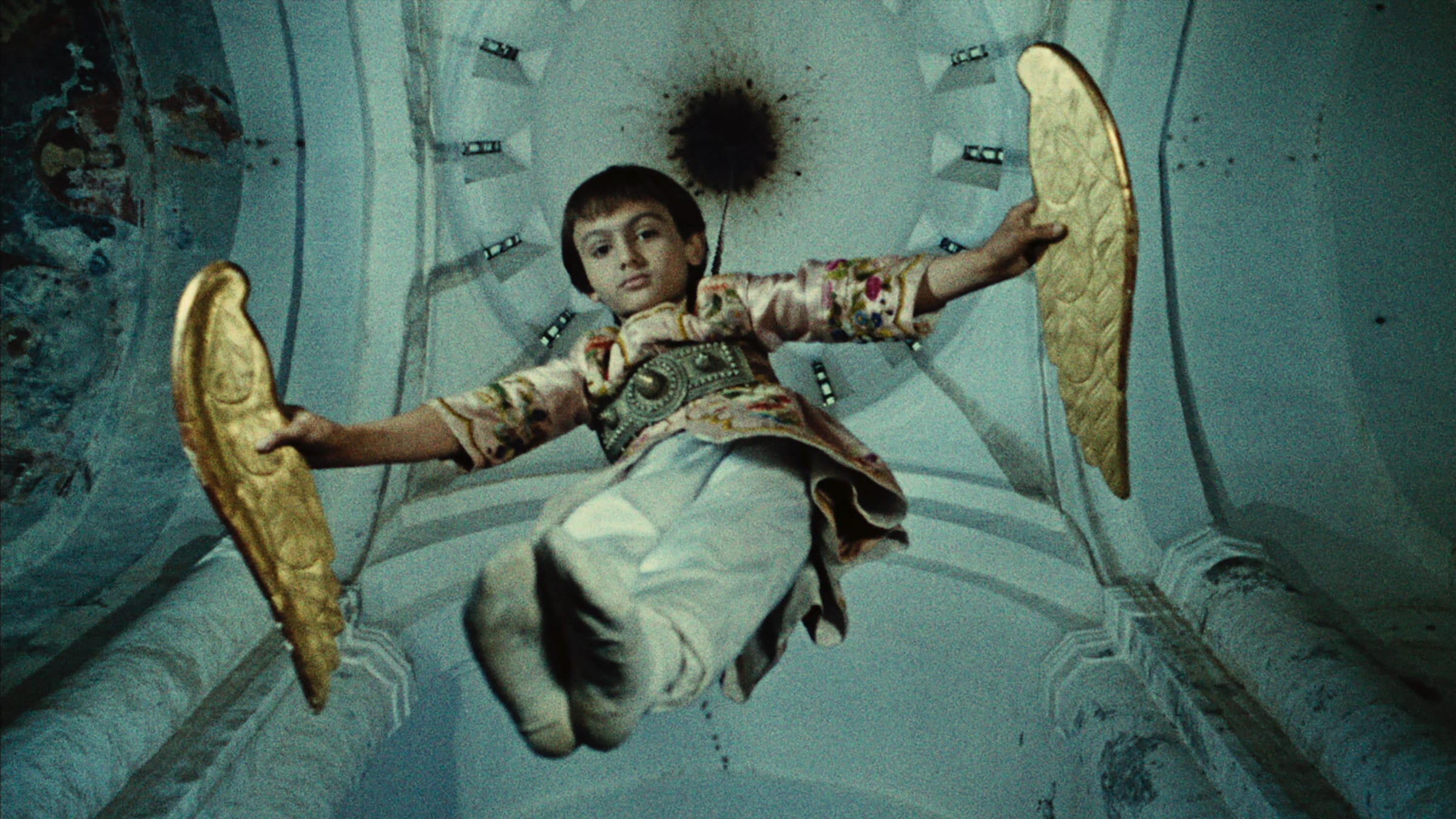
The Colour of Pomegranates (dir. Sergei Parajanov, 1969)
You mentioned editing. The film has a number of strands: your family history, your personal history as an artist, the cinematic and political histories of Armenia. The editing process must have been very intense. How did you go about balancing the strands so that they worked contrapuntally?
I think the main difficulty with this film was finding the balance between the personal, the political, and the cinematic. I call it a love letter to my father, my country, and the cinema. It’s like cooking: how do you know when you’ve added enough salt? We had a long editing process, discussing, thinking, writing the voiceover. I wrote it during editing. It was editing in all its senses. A lot of times I had difficulty with putting forward the personal aspect: it’s very painful, because I was mourning my father. At the same time, that’s where the producer and editor were able to provide the right distance. I think filmmakers have this problem: we’re always very shy. There’s a word in French, pudique, which means timidity, shyness. I didn’t have difficulty with the cinematic and the political parts. It’s all about trying, cutting, putting back, doing screenings, thinking out loud. Cinema is a collective process. That’s why it took two years of editing, on and off.
Because you offer such a broad historical sweep, from the origins of Armenian cinema to the post-communist period, you’re able to include several generations of Soviet Armenians: your father is an important figure in the film, but also your grandparents’ generation. The contrast between those generations really adds to the overall effect.
My idea was to try and create this dialogue. When I began this film, I started with my father. I had the feeling that my dad took my hand and took me into this cinematic world, where his parents existed, my mothers’ parents who also worked in film… Hence the title. I think this is a very inter-generational film. To be honest with you, when they ask me what my target audience was, I say that I made this film for the youth. It’s a kind of transmission for the youth. A lot of them don’t know about this cinema. A lot of them think this Armenian cinema is shit. I felt I had work to do, almost like a scholar, to bring that to them. [Whereas] My father’s generation admired the older generation, and my generation admired both their parents and their grandparents. People ask me why I didn’t include more of my father’s films. But these were the films that he admired: that’s why I want to create this dialogue between them. Because it was his admiration, his desire.
I used to watch these films when I was a kid, and I was searching for that same emotion. It’s very different to watch them as a 40-year-old, but emotionally, I could relate, feel pain or joy, shiver – I was looking for those sensations
Because you are the daughter of film artists, and yourself a filmmaker who’s constructing the film but also appearing in it, it does collapse the distinctions between watching, making, performing in a film.
And it wouldn’t be interesting [to include every second of my father’s career]. You agree, no? That’s why I say that this film is like a carpet – there is this dialogue between the generations.
A very Armenian metaphor.
It’s not the easiest thing, but if we managed to create this then it’s more interesting.
I wanted to ask about a couple of the directors that you single out within the film. Going back to the beginning of Armenian cinema, we have Hamo Bek-Nazaryan, who really deserves to be known alongside the giants of Soviet silent film. One of the ways that you frame him is in terms of his feminism. Obviously, there simply weren’t female directors at the time, so in a sense you have to read this history against the grain. But could you describe what you identify as the “feminist” qualities of a director like Bek-Nazaryan?
I have the feeling that he really wanted to show how much women suffered in traditional societies; how much they were instruments of men. In Armenian cinema, there were no female directors [at the time]. But at the same time, the way he filmed women was with a lot of respect, a lot of gratitude. There are a lot of women in his cinema, and they are always prey to pain and sadness. If you take the example of Pepo (1935), the first Armenian sound film, there is a scene where a girl is naked in a bath surrounded by women who are observing her: for me, he was the only filmmaker who dared to show the harsh side of being a woman in that society. He dared to.
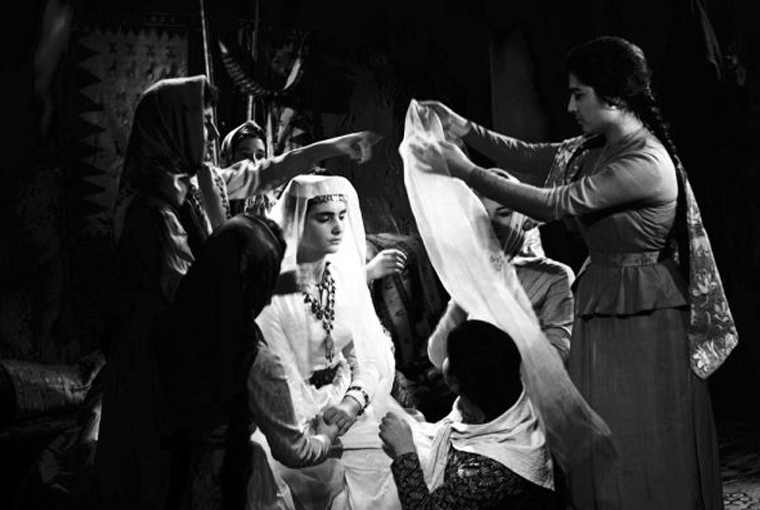
Namus (dir. Hamo Bek-Nazaryan, 1925)
The fact that he made a number of historical, or period dramas allowed him to depict societies where those gender divides were even starker.
Definitely. If you look at Namus (1925) or Zare (1926), it’s always about women and how they are the victims of men. I think also that the Soviets liked that: they wanted to emphasise that you Armenians are too traditional, we are modern, we’re allowing you to make films about the issues in our society. Beaten and murdered women are not in Soviet society, they’re in your older, traditional society. How do you separate between the desire of the filmmaker and the desire of the ideology?
[Comparing Bek-Nazaryan with later directors] Take We Are Our Mountains (1969) by Henrik Malyan: there is one woman in the film, and she’s a wife screaming at her husband. It was a male-dominated society, the roles were led by men, whether we like it or not. I do also think that Bagrat Oganesyan had that feminist gene in him.
His 1977 film, Autumn Sun, is really striking. Watching it, you think: where did this protagonist come from? You mention Malyan. In the film, you place him alongside Sergei Parajanov, the most famous of all Armenian auteurs, as a fellow victim of censorship.
They were all censored. The children of Malyan and Frunze Dovlatyan all claim that they both died from an inability to make the films they wanted to make. Malyan’s daughter and Dovlatyan’s son both told me that.
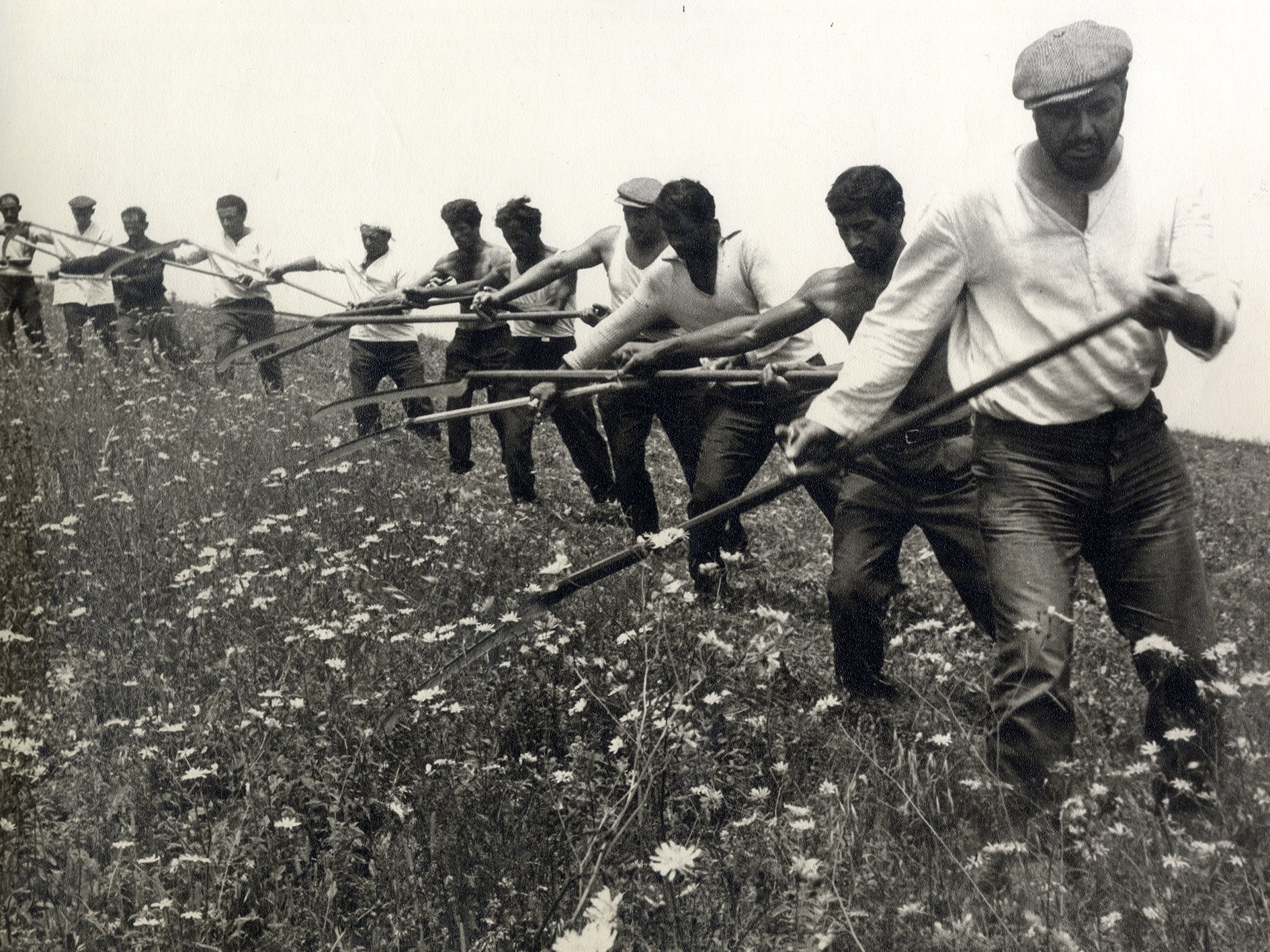
We Are Our Mountains (dir. Henrik Malyan, 1969)
What does Malyan represent for you within Armenian film history? What was his particular essence?
That’s an interesting question. I think he had something very deeply rooted in Armenian tradition. He’s a storyteller. You know how children’s tales always feature a storyteller: that’s him, for me. He loves to tell stories: about being Armenian, about war, friendship, love. He liked simple themes, and he would create around them in a simple but very intelligent ways. If you take We Are Our Mountains: it’s about a bunch of men in the mountains, their friendship and solidarity. He liked to tell stories about simple but essential issues. Whereas Dovlatyan, for example, I don’t think was a storyteller. They were very good friends, very close, but for me Dovlatyan is more of an artist, someone inspired by the Nouvelle Vague in France, who allowed himself to make big cinematic gestures. I’m not saying Malyan wasn’t an artist. Malyan also came from theatre: his theatre was very particular. He’d have people standing in a line onstage, telling stories.
He’s a very verbal director.
Yes. Dovlatyan was keener to push cinematographic boundaries.
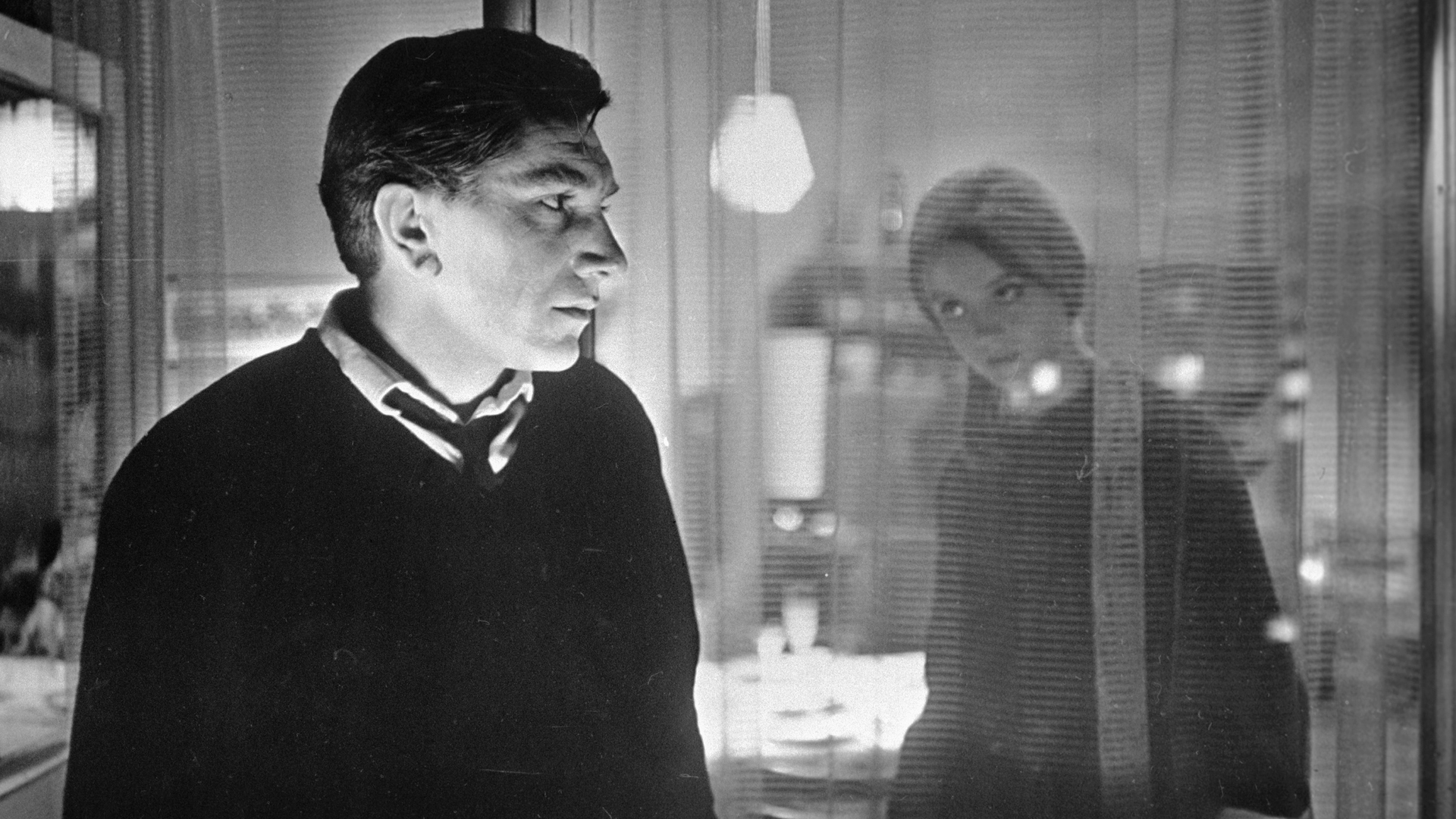
Hello, It’s Me! (dir. Frunze Dovlatyan, 1966)
In the film, you identify yourself with Dovlatyan. There’s a deep personal connection to his work there. What is it in him that you see in yourself and in your own films?
I have the feeling that we have similar obsessions. He had an obsession with returning home: but what is home and what does it mean to go back? He had an obsession with roots, with the question of being Armenian. What is it to be Armenian and to cling to your roots when they’re being taken away from you? I have the feeling that I have the same questions, even though I live outside Armenia, and he lived inside. He has this poetry that talks to me. With my first fiction feature, In the Land of Arto, I think there is an inspiration – not directly, we’re very different – but there’s this shared nostalgia. He’s also someone who thinks about memory a lot. Going beyond the themes, I feel very close to him cinematographically. The way he films faces, landscapes: he’s very close to his characters, he takes the time to look into them. That’s something I do in both documentary and fiction. I think I am emotionally, thematically, ideologically, and cinematographically linked to him.
My Armenian Phantoms screens at the Institute of Contemporary Arts in London on 5 December as part of the 2025 edition of the Armenian Film Festival.
Subscribers can explore a curated playlist inspired by My Armenian Phantoms’ journey through the nation’s film history here.


 Go back to journal home page